
Consumption as "Human Capital" Investment
For individuals with high incomes, wise financial management focuses on allocating resources towards skill enhancement rather than merely reducing expenses. Investing in a $5,000 leadership seminar or an upscale industry event should not be viewed as a financial burden; instead, it represents an investment in potential future earnings. In contrast to temporary luxuries, these financial commitments broaden your professional connections, enhance your knowledge, and pave the way for better-paying career prospects. The benefits? Frequently tenfold increases in salary or significant career advancements.

Such intentional investments foster a mindset focused on growth that distinguishes high-income individuals—they focus on lasting value instead of temporary savings. Whether it's acquiring expertise in an innovative tool via a targeted course or learning from industry leaders at an exclusive seminar, each dollar invested enhances flexibility in rapidly evolving markets. With time, this process of learning and connecting not only safeguards income; it boosts earning capacity in ways that reducing expenses cannot achieve.
The "Time Efficiency Premium"
Affluent people recognize that time is their most limited resource. Allocating funds for services that help reclaim time—such as hiring a personal assistant, utilizing meal preparation services, or employing home maintenance professionals—is not a luxury. It is a means to reclaim hours for engaging in high-priority activities: expanding a business, fostering relationships, or acquiring new skills. This "time efficiency premium" converts financial resources into productive outputs, thereby creating additional wealth.
Prioritized Quality Over Excessive Quantity
The elite practicing rational consumption shun "fast luxury" in favor of objects that offer enduring worth. An exquisitely crafted watch, a classic designer handbag, or a high-end laptop are not merely acquisitions—they represent lasting investments. These items hold their value, lessen the frequency of replacements, and can become topics of discussion that enhance social connections. Less chaos, greater significance, and concealed financial stability are the benefits of this approach.

Experiences That Enhance Emotional Wealth
Investing in experiences—like family vacations, art courses, or wellness retreats—provides intangible rewards that contribute to overall wealth. Stronger family ties lead to reduced anxiety and better decision-making; engaging in creative activities stimulates workplace innovation; and spending on health and wellness helps avoid expensive medical issues. These experiences appreciate over time as they cultivate emotional resilience, essential for managing demanding career situations.
Intelligent donors perceive philanthropy as something more profound than mere generosity. Contributions to initiatives that reflect personal beliefs or professional interests cultivate reputational value, forge connections with like-minded individuals, and even grant access to exclusive networks. For instance, a well-placed donation to a tech-focused nonprofit organization could result in collaborations or valuable insights that benefit your business—transforming altruism into a mutually advantageous investment.
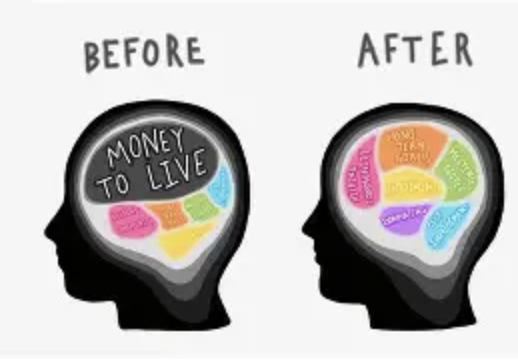
The Shift in Mentality: From "Spend Less" to "Invest Judiciously"
The peak of rational consumption revolves around purposeful spending rather than mere limitations. It involves contemplating: "Will this expense enhance my worth, conserve my time, or enrich my life in a profound way?" For those with financial resources, the journey toward increased wealth is not through accumulating money, but rather through expenditure on assets that yield further returns—skills, time, relationships, and meaningful pursuits. This approach allows each dollar to serve as a foundation for future prosperity.