

The "Qualified Small Business Owner" Edge
Numerous individuals with high incomes neglect the tax advantages linked to possessing a qualified small enterprise. In certain areas, business owners can exempt a fraction of capital gains from taxation when disposing of the business, contingent upon criteria such as hiring local employees or functioning within specified sectors. This is not a tax loophole but rather an incentive provided by the government to promote the expansion of small businesses. Organizing your business to meet these qualifications can transform the act of entrepreneurship into a method for tax savings, decreasing liabilities upon your exit or when scaling up.
In addition to making direct contributions, embracing the role of a "charitable lead trust (CLT) grantor" opens doors to distinctive savings. A CLT disburses a predetermined sum to a charity for a specified number of years before transferring the remaining assets to beneficiaries. This arrangement significantly diminishes estate taxes while allowing you to contribute to causes of personal importance. It represents an active participation rather than merely a singular donation—transforming charitable giving into a calculated tax identity that serves both philanthropic endeavors and your family’s financial health.
The "Renewable Energy Investor" Tax Shield
Investing in solar or wind initiatives provides you with the title of "renewable energy investor," which comes with attractive tax benefits. These incentives can considerably reduce your tax liabilities, and some may even be transferable if you do not utilize the entire amount. Distinct from typical investments, this identity harmonizes profitability with sustainability—enabling you to lower taxes while promoting clean energy, creating a mutually beneficial scenario for high-net-worth individuals looking for meaningful investments and cost savings.

Foreign Tax Residency: The "Global Citizen" Strategy
For individuals with global connections, securing legal foreign tax residency can be a valid change in identity. Nations like Portugal, featuring its Non-Habitual Resident program, and Singapore provide minimal or nonexistent taxes on income derived from abroad. This is not tax evasion; it is about taking advantage of international tax agreements. While it necessitates adhering to residency guidelines (for instance, residing there for over 183 days each year), it transforms geographical adaptability into an effective method for tax savings.
Employee Stock Ownership Plan (ESOP) Sponsor
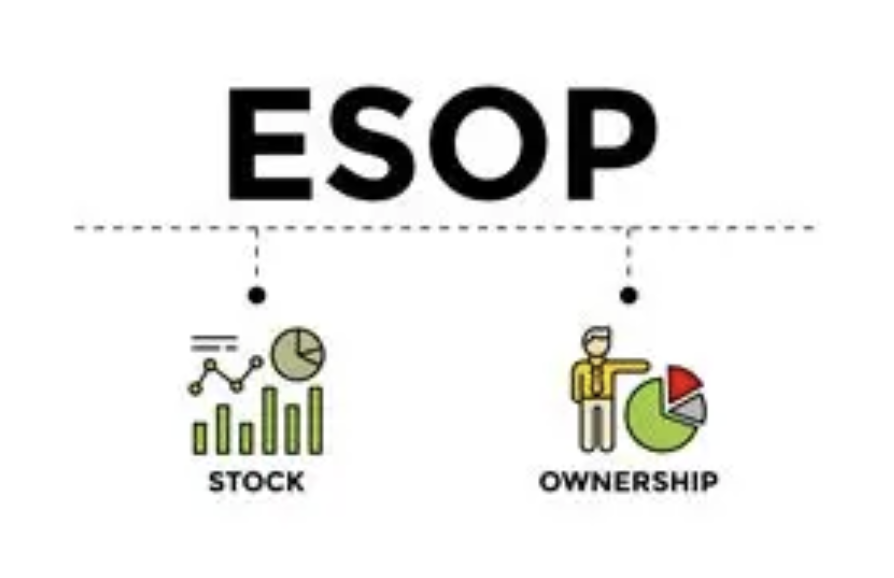
Entrepreneurs who establish an ESOP assume the identity of a "plan sponsor," which includes significant tax advantages. Payments made to the ESOP are eligible for tax deductions, and transferring shares to the ESOP can delay capital gains taxes. This also enhances employee commitment, but the standout aspect is the tax benefits: you can decrease both corporate and personal taxes while transitioning ownership. This identity merges the preservation of wealth with the legacy of the business.
Legitimate tax-saving identities focus on aligning your financial decisions with incentives recognized by the government rather than exploiting loopholes. Whether you are a small business proprietor, a renewable energy investor, or a grantor of a charitable trust, each identity demands dedication (such as operating a business or making impactful investments) yet provides long-term savings. For those with high incomes, the essential strategy is to select identities that align with your objectives, making tax planning an intentional element of your financial narrative instead of a rushed afterthought.