

For affluent families, bequeathing assets involves more than just passing down wealth—it's an evaluation of underlying grievances, unfulfilled hopes, and differing views on inheritance. Unlike minor familial disagreements, those that arise from estate distribution endure, weakening relationships that financial resources cannot mend. The paradox is that wealth intensifies disputes: increased assets raise the stakes, and unresolved emotional tensions can turn financial discussions into contentious arenas. Successfully managing this situation requires more than legal agreements; it necessitates addressing the hidden issues that rank inheritance as the leading cause of familial discord.
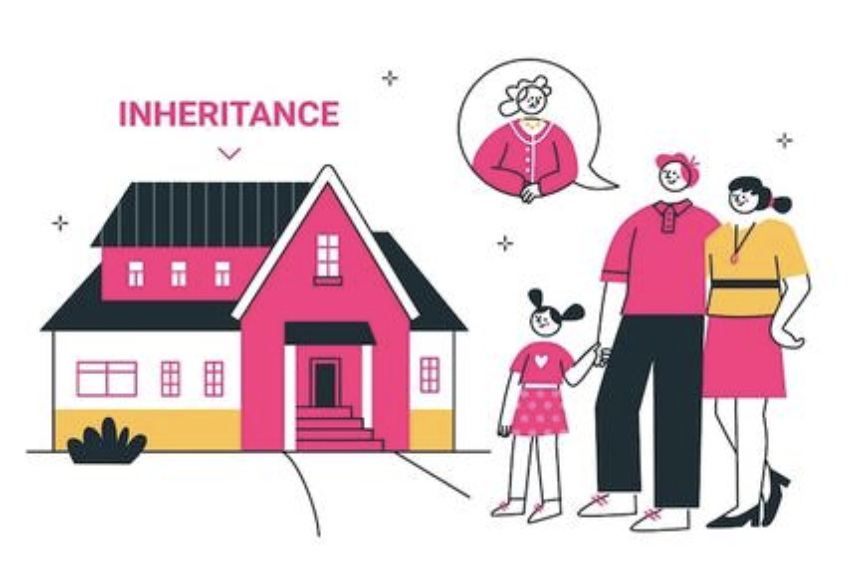
Unvoiced Anticipations Breed Discontent
Wealthy individuals frequently presume that their relatives share their outlook regarding inheritance, yet many fail to verbalize their expectations clearly. A parent might subtly favor the child involved in the family business, while another child expects fairness for remaining loyal to the family. When these unstated beliefs clash with the actual testament, resentment can grow. High-net-worth families often shy away from difficult discussions to preserve a façade of peace, inadvertently sowing the seeds of conflict that may flourish following a death.
Disputes over inheritance often conceal a struggle for dominance. For certain family members, having control over inherited property symbolizes maintaining a connection with the deceased or affirming their position within the family order. Others might worry about losing financial stability if wealth is divided, particularly if they have indirectly depended on family resources. These battles for control turn the probate process into a contest for power, with siblings employing legal representation and familial narratives to assert their claims.
Blended Families Encounter Distinct Conflicts
Affluent blended families deal with complex issues that traditional families do not face. One partner could strive to safeguard their share from stepchildren, while step-siblings may argue over who is more "worthy" of a claim on the family heritage. The deceased's intention to honor both a new spouse and biological children often has negative consequences, as unclear estate instructions create opportunities for differing interpretations. These conflicts are further intensified by societal beliefs about "legitimate" heirs, transforming personal grief into a public battle for rights.
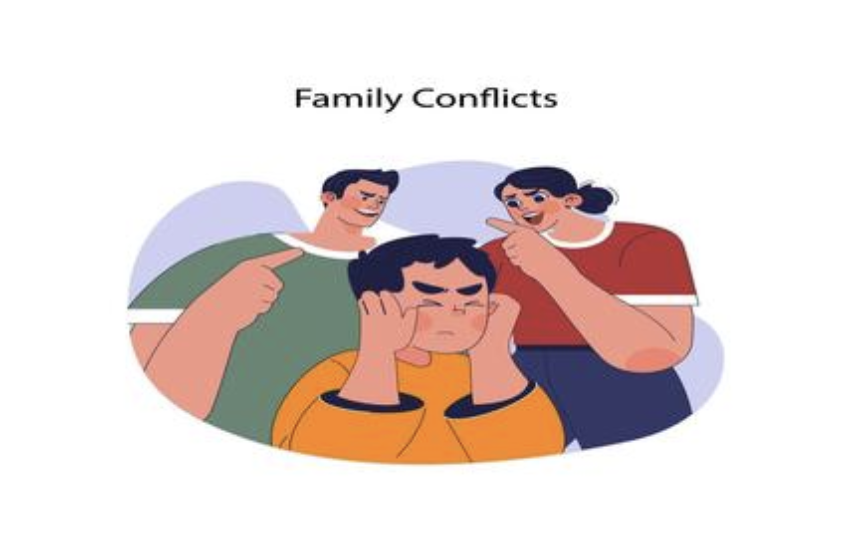
Silence is Used as a Tool
In wealthy communities, where reputation and discretion are highly valued, refusing to discuss inheritance issues intensifies the damage. Family members might steer clear of confronting these problems to safeguard their family's reputation, allowing resentment to simmer until it eventually surfaces in public disputes or legal challenges. The taboo surrounding "fighting over money" hinders candid conversations, escalating minor conflicts into significant divides. This culture of silence also leaves younger generations ill-equipped to handle inheritance, perpetuating the cycle.
Thoughtful Communication Averts Conflict
The solution to inheritance disputes doesn't lie in equal division but rather in purposeful communication. Affluent families that engage in open discussions about their legacy aspirations, personal expectations, and asset distribution while family members are still living lower the chances of conflict. Involving trusted professionals and promoting clear discussions allows each individual to feel valued, transforming inheritance from a point of contention into a collective pledge to honor the wishes of the departed.

For prosperous families, inheritance should serve as a pathway to the future rather than a divisive force in the present. By replacing silence with open dialogue and addressing emotional factors alongside financial arrangements, families can safeguard both their wealth and their connections—demonstrating that legacy is measured by relationships instead of merely financial holdings.