

Numerous individuals with significant purchasing capabilities perceive debt as a danger, but it is seldom the debt itself that disrupts financial stability; rather, it is a poor framework that transforms leverage into a burden. For those who are used to overseeing considerable assets, borrowing can serve as a tactical instrument for enhancing profits, but when the terms, purposes, or expenses are misaligned, it generates unseen dangers that gradually diminish wealth. The distinction between constructive and harmful debt is not based on the total amount but on the careful manner in which it is structured to be in harmony with cash flow and objectives.
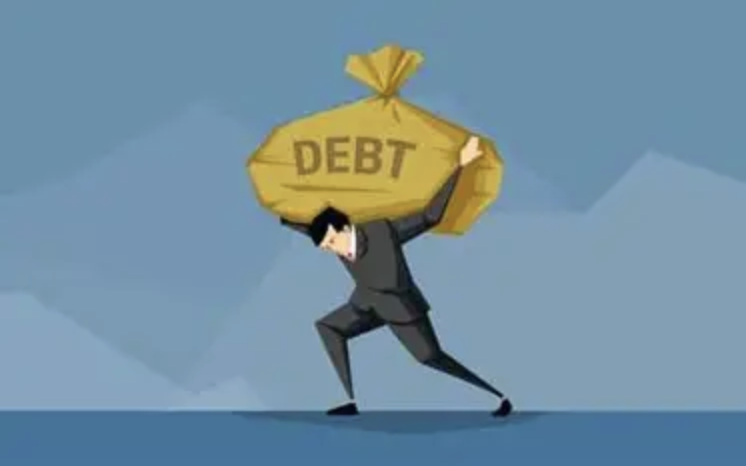
A prevalent structural issue is the practice of financing long-term investments or assets with short-term loans. Short-term borrowing comes with strict repayment timelines and varying interest rates, while long-term profits—stemming from real estate, business development, or investments—develop over time. An abrupt increase in rates or a cash flow interruption can compel forced sales of appreciating assets to settle debts, transforming a calculated strategy into an expensive downturn that no forthcoming earnings can redeem.
Purpose Boundary: Confusing Spending with Investment Debt
Constructive debt nurtures assets that produce returns, whereas harmful debt supports declining consumption. Wealthy individuals frequently confuse these aspects—securing low-interest loans for luxury items or vacations, then rationalizing them as "affordable leverage." Unlike investment debt that generates cash flow, consumer debt merely increases interest obligations, with no asset to mitigate losses. This misalignment shifts debt from a beneficial tool to a hindrance on long-term wealth.

Cost Structure: Concealed Strains Beyond Interest Rates
Concentrating merely on interest rates neglects the underlying costs that can disrupt the debt framework. Prepayment penalties, variable interest terms, or interlinked financial products can transform "affordable" debt into a trap. Wealthy borrowers might ignore these intricacies, believing their assets can handle the expenses, but such conditions restrict flexibility—impeding refinancing or early payment when market conditions change, thereby locking in unneeded costs.
Dependence on one lender or a single kind of financing cultivates structural weakness. A lender altering terms, tightening credit, or unexpectedly calling in a loan can upset entire financial strategies. Wealthy borrowers have access to various financing options, but a sense of complacency can lead to excessive dependence—making the decision of one lender a systemic threat to their wealth.
Asset-Debt Linkage: Utilizing Unsecured Debt for Non-Liquid Assets
Another significant error is the use of unsecured debt to purchase non-liquid assets such as artwork, private equity, or real estate. Unsecured debt bears higher interest rates and lacks asset backing to cushion against defaults, while non-liquid assets cannot be quickly sold to settle debts. A decline in the market or a liquidity crisis leaves borrowers burdened with unmanageable debt and unsellable assets, resulting in a wave of financial distress.

In summary, debt acts as a dual-purpose tool shaped by its structure. For individuals with high consumption habits, mastering the structure of debt involves aligning terms with objectives, distinguishing purposes, and mitigating concealed threats. When arranged thoughtfully, debt can accelerate wealth; however, when structured poorly, it becomes a quiet adversary.