
Many individuals with significant financial resources depend heavily on key assets or main income sources, confusing financial ease with true security. However, genuine safety does not come from accumulating more from a single avenue but from establishing a secondary revenue stream at an early stage—one that serves as a safeguard against market fluctuations, industry changes, and unexpected emergencies. This additional income should not merely be viewed as an extra earning opportunity, but rather a fundamental element that strengthens the durability of wealth over time.

Individuals with high net worth frequently diversify their assets extensively while neglecting the risk of concentrating their income. A single business venture, high-paying job, or rental property can fail unexpectedly due to changes in policy or market declines. By generating a secondary income, individuals can separate their sense of security from reliance on just one source, transforming the "all eggs in one basket" dilemma into a robust network—if the primary income struggles, the secondary source can maintain stability.
Early Second Income: Compound Resilience
The benefit of creating a second income at an early stage is not solely about financial profit but also about building cumulative resilience. Getting started early provides the opportunity to enhance the income stream, grow it without pressure, and allow it to develop in tandem with primary wealth. Trying to establish a secondary income during a crisis often results in rash and risky decisions; initiating this process sooner results in a refined safety measure rather than a hurried solution.
Avoid the "Luxury Trap" of Single Income
Wealthy lifestyles often correlate with primary income, establishing a cycle where expenditures escalate alongside earnings. A supplementary income disrupts this cycle by enabling enhancements in lifestyle without becoming overly dependent on primary resources. It helps avoid the need to downsize during economic slumps and maintains the ability to make choices—whether regarding career changes, charitable giving, or family commitments—without financial strain.

Second Income as a "Risk Test Bed"
A well-structured secondary income acts as more than just a financial cushion; it serves as a low-pressure environment for exploring new possibilities. Unlike main assets that require stability, secondary income streams allow for experimentation with emerging sectors, investment in personal projects, or trying out innovative business models. This type of experimentation not only enhances security but can also reveal unforeseen growth prospects over time.
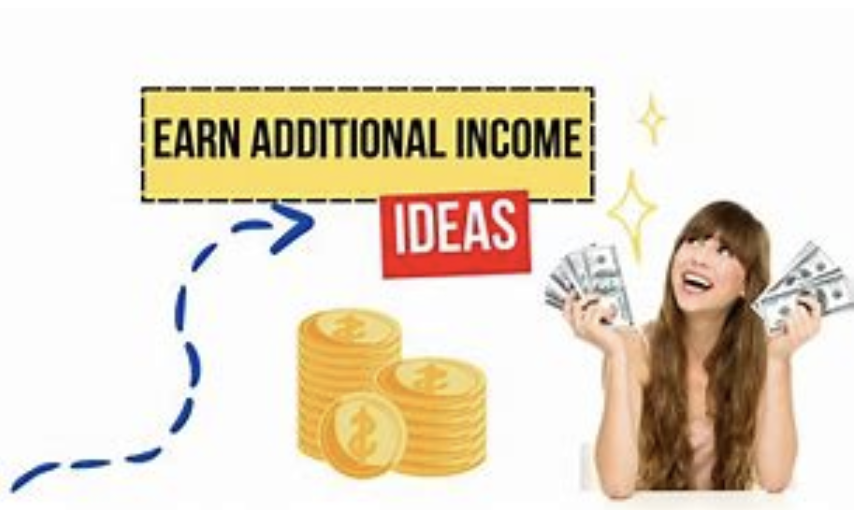
There is a widespread belief that obtaining a second income implies taking on additional work. For the wealthy, it should harmonize with their current assets—utilizing professional connections, property equity, or specialized skills. Examples include a consulting position that draws upon industry knowledge, a licensing arrangement for a unique talent, or a passive income derived from optimizing assets, all of which demand minimal extra effort while providing substantial security.
Beyond Survival: Second Income Fuels Freedom
Establishing a secondary income early on does more than offer protection during tough times; it enables genuine financial independence. It alleviates the anxiety of feeling trapped in a primary job or business due to necessity, allowing one to prioritize purpose rather than profit. Over the long term, this additional income might even surpass the primary revenue source, transforming wealth generation from a matter of obligation into a matter of choice—turning security into true autonomy.