

The middle class, which used to be the foundation of stable communities, is currently dealing with unacknowledged challenges that transcend mere financial issues. Those who are used to a comfortable lifestyle and the possibility of advancement have experienced a gradual loss of stability in recent years—loss that doesn't create sensational headlines but gradually undermines their security through persistent, unseen difficulties.

Dual-Income Burden of Exhaustion
Numerous middle-class families depend on two salaries to sustain their way of living; however, this reliance carries an unrecognized expense. The obligation to maintain both jobs leads to ongoing exhaustion, eliminating opportunities for skill enhancement or career changes. In the face of industry transitions or job losses, they find themselves without the resources to adjust, falling into a repetitive cycle of exchanging time for pay with no alternative in sight.
Unseen Cost Increase of Essentials
The effects of inflation reach beyond just grocery expenses. Families within the middle class confront escalating prices for "fixed" obligations: insurance fees, upkeep on homes, and additional educational costs. These expenses increase gradually, remaining unnoticed until disposable income disappears completely, compelling them to choose between future stability and present-day comfort.

Stalled Careers in Midlife
The middle class feels the sting of career stagnation more acutely during mid-career phases. Unlike high earners who possess various assets or low earners with adaptable career paths, those in the middle class often find themselves trapped in positions with little wage growth, surpassed by younger colleagues and passed over for promotions. The cost of retraining appears prohibitive, and the chance for early retirement feels out of reach.
Myth of Social Mobility
Previously, the middle class held the belief that diligent work would lead to rising through the ranks; however, that assurance has diminished. Their offspring face substantial student loan debt with inadequate job opportunities, while homeownership—once a significant achievement—has become increasingly unattainable due to soaring market prices. The disparity between their hopes and actual circumstances fosters a sense of quiet disenchantment.
In addition to essential health coverage, middle-class families face implicit dangers. An unexpected illness of a family member, car troubles, or a brief job loss can upset their financial stability. They do not possess enough wealth to manage sudden challenges and are also not eligible for welfare programs aimed at lower-income individuals, confining them in a vulnerable "middle ground."
Intergenerational Stress Burden
They are heavily tasked with the responsibility of caring for both aging parents and dependent children. The financial requirements of elder care alongside the educational costs for their children leave scant resources for their own retirement needs. This weight, referred to as the "sandwich generation" challenge, is distinctly felt by those in the middle class, as wealthier families can afford to delegate care and those with lower incomes lean on governmental assistance.
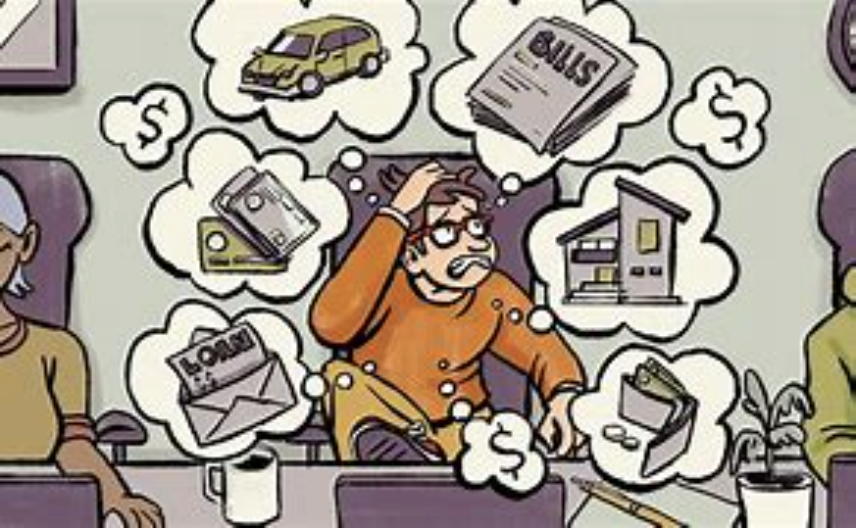
The hardships faced by the middle class are not simply about survival; they revolve around a diminishing grip on their future. As unseen pressures accumulate, their formerly secure lives morph into a precarious balancing act—one that necessitates acknowledgment of the subtle struggles they face daily.
