

In a time characterized by market instability and changing economic conditions, depending exclusively on primary income—whether derived from employment or main enterprises—is no longer adequate for ongoing wealth. Additional income has transitioned from being a "nice-to-have" to an essential element of financial stability, particularly for those with considerable wealth. Unlike typical side incomes, this modern necessity is based on advanced financial systems that provide passive, low-risk revenue, bolstering wealth against unpredictability while enhancing lifestyle freedom.

Family Trusts: Personalized Passive Income Sources
Beyond simply passing down wealth, family trusts are being reconceptualized as income-generating tools for individuals with high net worth. Customized frameworks featuring specific distribution guidelines can redirect profits from private equity or real estate investments into consistent cash flow. These trusts protect assets from market fluctuations and legal challenges, guaranteeing a reliable secondary income stream that aligns with long-term aspirations—such as supporting charitable initiatives or enhancing lifestyle choices—without endangering core wealth.
Unused capital frequently remains stagnant within high-net-worth investment portfolios; however, structured deposits can convert these funds into dependable secondary income sources. Distinct from traditional savings options, these financial instruments tie returns to market indicators while securing principal investment, producing stable earnings through personalized conditions. They achieve a balance between liquidity and returns, transforming inactive capital into a supplementary stream that works alongside primary income without imposing additional operational demands.
Private REITs: Specialty Real Estate Revenue
Going beyond public real estate investment trusts, private REITs unlock additional income from premium, illiquid properties such as industrial sites or luxury hotels. Available exclusively to wealthy investors, they provide greater dividend yields and reduced market correlation, with expert management overseeing operations. This avenue circumvents the complexities of direct property management while leveraging the cash-producing potential of real estate as a secure secondary income source.
Private Credit: Focused Lending Income
Private credit has become a fruitful avenue for secondary income, permitting investors to provide loans to specialized businesses or projects not served by conventional banking. This asset class yields steady interest income with limited connection to equities and bonds, frequently backed by tangible assets. It turns capital into an efficient income source, avoiding congested public markets and pursuing specific, high-yield opportunities.
For individuals possessing proprietary assets, intellectual property finance enables the transformation of patents, trademarks, or copyrights into ongoing secondary income. By utilizing IP-backed securitization or licensing deals, investors can profit from their intangible assets without needing to engage actively. This revenue stream is resilient across economic conditions, as royalties continue as long as the intellectual property maintains its value, providing a distinct layer of income diversification.
Cross-Jurisdictional Dividend Strategies
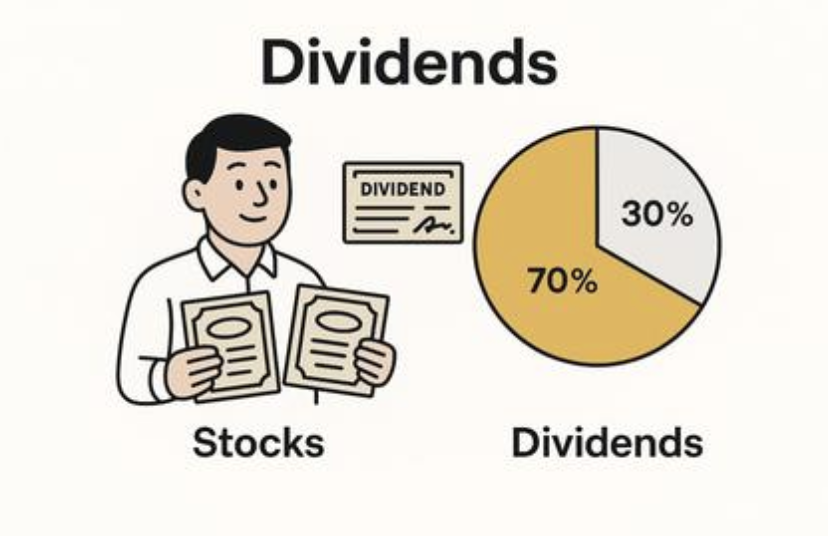
Strategic planning for cross-border dividends facilitates tax-efficient secondary income. By using international tax agreements and offshore holding entities, investors can access dividend payments from global holdings while reducing tax burdens. This strategy not only increases net earnings but also diversifies geopolitical risk, ensuring that secondary income remains reliable even in the face of regional policy changes.

Secondary earnings, for those with substantial means, focus on stability rather than just minor increases. Through the application of these tailored financial instruments, people transform their resources into a self-sufficient network of ongoing revenue. This evolving necessity reshapes the concept of financial safety—not as dependency on a single income stream, but as expertise in multiple avenues that support life's objectives, regardless of circumstances.