
The "Effort Inflation" Trap in Careers
High-income individuals frequently experience effort inflation: advancing in one’s career often requires increasingly greater amounts of time and energy for modest salary increases. A position in the C-suite may offer a 20% increase in pay, but simultaneously demands an additional 50% of your working hours—resulting in a lower "hourly wage." Although you are exerting more effort, the returns on that effort decrease, causing you to perceive that your work is not resulting in significant financial advancement.

Each salary increase triggers an instinctive upgrade: larger homes, more luxurious vehicles, private schooling for children, or membership in exclusive clubs. This phenomenon known as lifestyle creep extends beyond simply spending—it creates a trap of higher ongoing expenses. The increased effort at work enables a costlier lifestyle rather than leading to increased savings. All of a sudden, a six-figure income feels constrained because expenditures rise in tandem with earnings, leaving no financial flexibility.
The Hidden Cost of Excessive Work
Committing to over 60 hours of work per week leaves insufficient time to enhance your financial situation. You may forgo researching better investment choices, engage pricey financial advisors for ease, or overlook side projects that could help diversify your income. The hidden cost of excessive work is time lost: you are sacrificing opportunities for passive wealth generation in exchange for immediate income that is quickly consumed by bills. Hard work starts to replace sound financial planning.
The Unofficial "Status Tax" on High-income Earners
Wealthy social circles impose an unwritten status tax. There exists an expectation to participate in expensive networking functions, wear high-end fashion, or host extravagant dinners to maintain your status. These costs are not optional—they are necessary for remaining part of the "club." Consequently, your hard-earned income is allocated toward demonstrating success rather than creating it, resulting in a loop where increased effort translates into higher status-related expenses instead of financial security.
The Disproportionate Impact of Inflation on the Wealthy
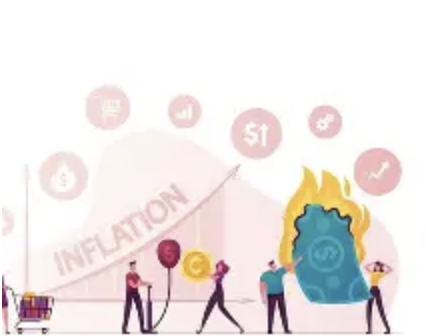
Although everyone experiences inflation, those with high incomes undergo distinct pressures. The items they prioritize—prime properties, private medical care, elite education, and luxury travel—have increased in price at a faster rate than basic necessities. A 10% increase in a $50,000 tuition for a private school feels more severe than a 10% hike in grocery costs. The dedication to your work cannot keep pace with the inflation affecting the lifestyle you have established, making money feel more limited.
The answer lies not in putting in more effort, but in redefining what "value" means. Focus on the tasks that enhance your hourly earnings, rather than merely increasing your salary. Establish firm limits on lifestyle growth, directing raises towards savings and investments first. Reclaim time lost to excessive work to educate yourself on financial matters or develop sources of passive income. Genuine financial advancement arises from aligning your efforts with wealth creation, rather than just status or income. Cease allowing increased effort to support a more costly lifestyle—instead, let it support a life of greater freedom.