

For individuals with considerable wealth, spending is seldom merely a transaction; it serves as an expression of their inner emotions, principles, and long-range evaluations. A strong sense of emotional steadiness functions as an unseen guide, directing expenditures away from temporary desires, extravagant purchases motivated by status, and compensatory behaviors, steering them toward decisions that reflect authentic needs and the sustainability of their financial standing.
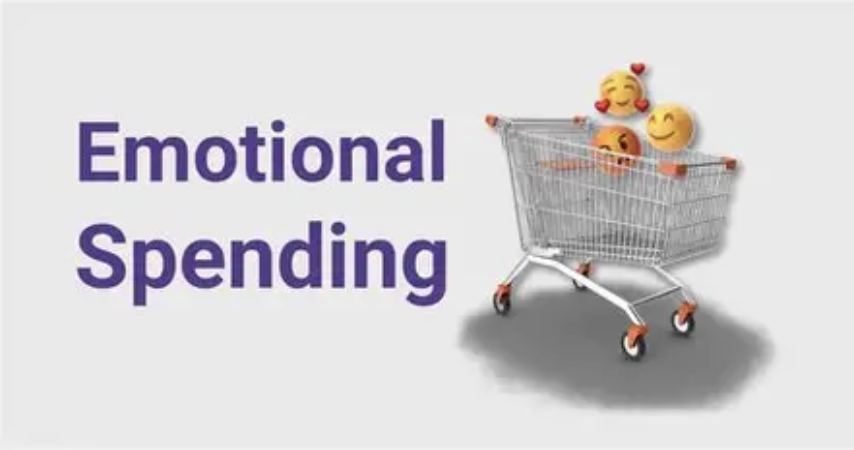
Emotional steadiness encourages a thoughtful break prior to making significant purchases, which helps to distinguish between actual necessities and desires motivated by social standing. For affluent individuals, this serene contemplation removes hasty remorse, guaranteeing that each financial decision is in harmony with enduring monetary wellbeing and individual principles.
Break Free from Status Symbol Captivity
Psychological instability often drives wealthy individuals to pursue luxury as a means of finding validation. Those who maintain a stable mindset distinguish their self-worth from material items; they prefer investments that hold lasting significance—like classic pieces of art or well-made heirlooms—rather than trendy goods that quickly lose relevance with shifting societal trends. This mindset helps to prevent unnecessary spending on momentary prestige.
Avoid Compensatory Consumption Traps
Emotional deficits—such as stress, feelings of inadequacy, or unmet expectations—lead to impulsive purchases of high-value items, including private jets or extravagant homes. Individuals with a stable emotional constitution tackle emotional needs head-on instead of seeking fulfillment through buying. They focus on experiences or investments that promote well-being, steering clear of purchases meant to resolve emotional voids, which can gradually deplete their wealth.
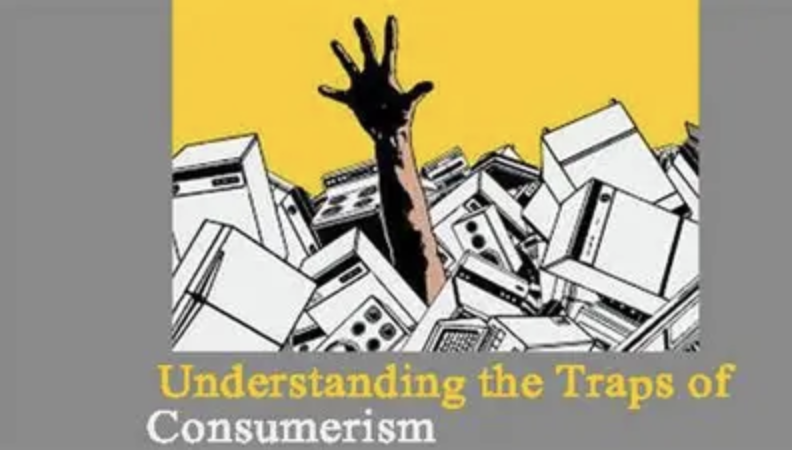
Having wealth introduces an overwhelming array of choices, which can lead those with fragile mental health to overindulge. Those with stable mindsets cultivate clarity within themselves, filtering options based on practical utility, alignment with their aspirations, and long-term consequences. They resist the urge to succumb to the anxiety associated with missing out on exclusive opportunities, concentrating solely on acquisitions that provide true value.
Anchor Spending in Long-Term Value
Emotional instability tends to favor immediate satisfaction over future security. Individuals who possess psychological stability consider their spending habits in relation to managing their wealth effectively. They invest in appreciating assets—such as carefully curated collections or home improvements—or direct resources toward projects that resonate with their legacy aspirations, instead of pursuing transient enjoyments.
Affluent social environments often cultivate a culture of competitive spending, compelling individuals to emulate the lifestyles of their peers. Those with steady mindsets are able to resist this pressure and define their own success uniquely. They practice thoughtful social expenditure—organizing meaningful gatherings rather than lavish parties—avoiding debt or exhausted resources associated with maintaining façades.
Balance Desire with Deliberate Choice
Having stability does not equate to ignoring desires; it entails indulging with mindfulness. Wealthy individuals who maintain psychological steadiness engage in their passions—be it gourmet wine or luxurious travel—but impose limits. They budget for such expenditures within their wealth management frameworks, ensuring that their choices do not jeopardize financial stability or hinder long-term goals.

For affluent groups, wise spending arises as a natural outcome of solid inner balance. It shifts consumption from an emotional response to a thoughtful exercise in wealth management and self-care, safeguarding resources while enriching the overall quality of life.