

High-income earners frequently mistake a strong cash flow for substantial wealth, often falling victim to the effects of lifestyle inflation that diminishes their ability to accumulate assets. Genuine financial wisdom is not simply about how much one makes, but rather how proficiently one invests that income into avenues that yield passive income, outrun inflation, and generate value for future generations. This shift requires more than mere saving; it entails adopting a strategic, finance-focused approach that prioritizes the maintenance and growth of wealth.

Income represents a temporary influx, while assets act as long-lasting powerhouses. Even earnings in the six-figure range can disappear without careful distribution, as spending on high-end products, property improvements, and lifestyle experiences typically exceeds the rate of income growth. For well-off individuals, the foremost task is to redefine "value"—moving from acquiring depreciating liabilities to emphasizing assets that hold inherent or appreciation potential, including investments in private equity or specialized alternative assets.
Capitalize on Alternative Asset Categories
While traditional stocks and bonds serve as a basis, they seldom provide the returns necessary to preserve wealth for high-net-worth individuals. Invest in alternative assets like private credit, venture capital, fine art, or infrastructure ventures, which demonstrate lower ties to market fluctuations and offer superior long-term gains. These investment options necessitate careful research but present prospects that are not accessible to average investors, transforming income into assets that withstand market turbulence.
Utilize Structured Financial Instruments for Specific Growth
Tailored financial instruments designed for wealthy investors incorporate both fixed and variable returns to match different levels of risk tolerance. Instruments connected to commodity values, currency combinations, or themed sectors such as renewable energy give a chance to utilize income in personalized manners—be it through secure principal-protected notes or leveraged setups for increased profits. These solutions fill the void between conservative saving and bold investing.
Mitigate Risks with Thoughtful Liabilities
Surprisingly, the intelligent use of liabilities can promote asset expansion for high-earning individuals. Low-interest loans backed by pre-existing assets—such as margin loans for investments or mortgage financing for properties that generate income—permit reinvestment of income without having to sell appreciating assets. When combined with careful risk evaluation, this leverage transforms debt from a financial strain into an instrument for enhancing asset worth.
Assets producing regular passive income—such as dividend-paying private equity, rental properties in highly sought-after areas, or royalty income from intellectual properties—foster financial security. For those with high spending habits, this income stream replaces dependence on direct earnings, allowing for reinvestment and compounding of returns. Unlike speculative investments, they create a reliable base for ongoing wealth enhancement.
Foster a Long-Term Capital Perspective
Wealthy investors often get caught up in short-lived market fads, diverting funds into flashy yet unstable investments. Effective asset creation necessitates a commitment to patience—holding on to alternative investments throughout market fluctuations, reinvesting income, and resisting impulsive withdrawals. This approach values compound growth over immediate satisfaction, converting consistent income sources into a lasting legacy of wealth rather than temporary success.
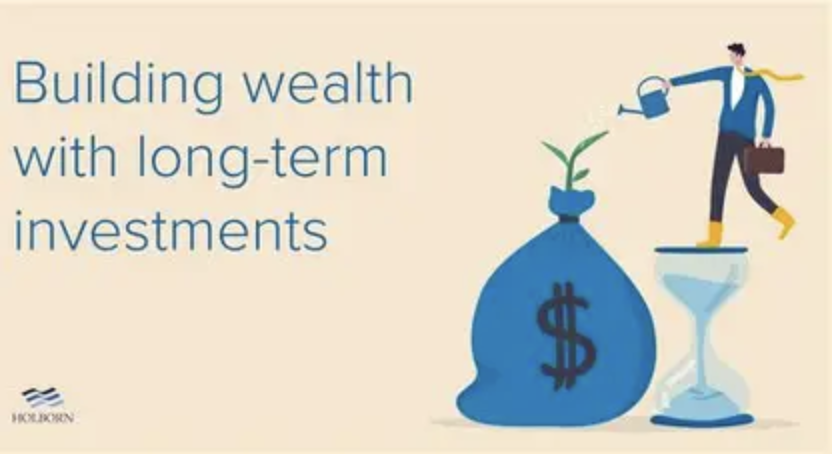
For individuals with significant earning potential, the transition from income to assets is a careful, finance-oriented undertaking. It goes beyond simple budgeting to embrace complex strategies aimed at safeguarding and enhancing wealth. Ultimately, one's wealth should not be judged by earnings, but rather by how well that money is working for you—an essential skill every adult must learn.