

For individuals with substantial wealth, the focus on safeguarding and increasing assets frequently centers on market volatility as the major risk. However, the real concealed threat is not the market changes themselves but the misalignment and lack of scrutiny in expectations. Markets naturally fluctuate, but it is the unrealistic beliefs—about returns, timing, or control—that lead to unwise choices, deplete wealth, and obstruct long-term financial aspirations. Below are the less-discussed aspects showcasing how expectations transform into the foremost risk element for wealthy investors.
Unattainable Return Expectations Foster Excessive Risk
Numerous affluent investors base their hopes on historical maximum returns, perceiving extraordinary market surges as the standard. This results in excessive investment in risky assets while chasing impractical yields, overlooking the essential relationship between risk and reward. When market corrections occur, the resulting harm is intensified not by the market activity itself, but by the disparity between exaggerated expectations and actual economic conditions.
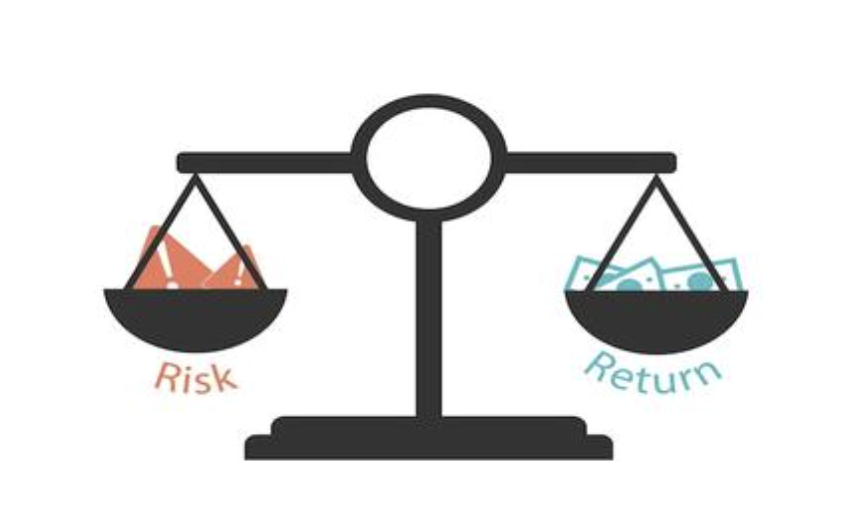
Wealthy individuals frequently succumb to short-term results, anticipating swift outcomes from investments meant for the long haul. This urgency prompts rash choices—such as liquidating undervalued investments during downturns or pursuing temporary market fads—which diminishes the compounded benefits of gradual wealth accumulation. Market volatility, which is intrinsically short-term, poses a threat only when expectations lead to a departure from a solid long-term strategy.
Excessive Faith in Predictive Expectations
Several high-net-worth individuals maintain the belief that they or their financial advisors can precisely forecast market changes. This overestimation results in excessive trading and attempts to control the market, including timing trades or heavily concentrating holdings in "sure bets." Since markets are inherently unpredictable, risk emerges when the hope for predictability supersedes wise diversification and sound risk management.
Rigid Expectations Fail to Adapt to Change
Expectations often remain unchanged despite shifts in personal situations, economic climates, or regulatory frameworks. For instance, continuing to hold retirement return expectations constant as life phases evolve, or clinging to outdated beliefs about asset correlations during changes in market dynamics. Such inflexibility creates a gap between expectations and actual conditions, converting otherwise manageable market adjustments into substantial risks.

Affluent groups frequently establish their expectations through social comparisons, evaluating their success against the investment gains or lifestyle improvements of their peers. This results in illogical financial choices influenced by FOMO (fear of missing out), instead of focusing on personal financial objectives. The real risk stems not from competition in the market but from expectations influenced by outside approval rather than internal fiscal requirements.
Belief in Immunity to Downside Risks
Certain wealthy individuals maintain the misguided belief that their financial status protects them from major losses. This fosters a sense of complacency regarding risk evaluation, such as insufficient insurance or overlooking potential systemic dangers. Wealth does not shield against market realities, yet the notion of immunity blinds individuals to the essential precautions, transforming manageable risks into disastrous outcomes.
For those with considerable assets, managing risk starts not with forecasting market behavior, but with ensuring that expectations align with market truths. By cultivating reasonable, long-term, and goal-oriented expectations, the underlying source of financial risk is mitigated, enabling markets to act as a means for asset enhancement instead of a peril to it.