

Wealth frequently creates a false sense of logical financial decision-making. However, even the wealthiest individuals are prone to irrational actions influenced by emotions, cognitive biases, and societal pressures—behaviors that can quietly diminish wealth, notwithstanding access to exceptional financial guidance. These tendencies are not indicative of a character flaw but are ingrained responses that lead to choices inconsistent with long-term financial aspirations.

Common mistakes consist of having excessive faith in one's own decisions, leading to risky speculative wagers, or being afraid of losses, which keeps investors stuck in assets that are not performing well to prevent acknowledging a loss. Addressing these biases necessitates established safeguards: implementing compulsory waiting periods for significant choices, and utilizing data-focused systems to counteract hasty responses, transforming self-awareness into a protective barrier for safeguarding wealth.
Loss Aversion Over Long-Term Gains
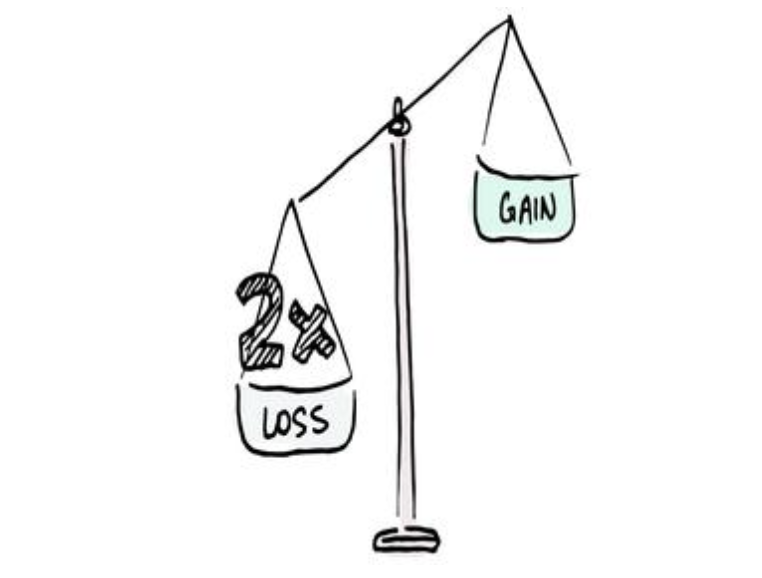
The distress of losing money surpasses the satisfaction of gaining an equal amount, a bias that skews investment approaches. Wealthy investors might retain underperforming investments for extended periods to avoid acknowledging a loss, thereby missing chances to redirect funds into higher-growth alternatives. This irrational attachment disregards market realities, transforming temporary dips into permanent declines in wealth.
Numerous individuals base their financial decisions on arbitrary benchmarks—historic portfolio highs, the wealth of peers, or the original values of investments. A high-net-worth person might overlook a lucrative real estate opportunity because it does not match a previous financial success or might excessively invest in a stock based on its past lofty valuation. This bias prevents decision-makers from recognizing the current fundamentals of the market.
Social Proof and Conspicuous Investing
Affluent circles often influence irrational decisions through social validation. Investing in popular assets—such as private equity, cryptocurrency, or luxury items—might be driven more by social influence than by thorough investigation. This "herd mentality" increases the risk of overvaluation, as individuals prioritize conformity over aligning their investments with personal risk tolerance and objectives.
Mental Accounting: Segregating Wealth
Mental accounting divides wealth into distinct categories, resulting in inconsistent decision-making. For instance, a bonus may be frivolously spent on luxury items while crucial retirement savings are postponed because "extra" funds seem less significant. This irrational division undermines comprehensive financial planning, treating the same dollars differently based on their origin.
Overconfidence in Financial Expertise
Success in one area often breeds overconfidence in financial decisions. Wealthy professionals might ignore expert recommendations, mistakenly believing that their professional accomplishments equate to investment expertise. This arrogance can result in excessive focus on a single asset class or speculative investments, neglecting the principle of diversification that protects wealth from fluctuations in the market.

Regret Aversion and Missed Opportunities
The anxiety of regret prompts irrational inaction or hasty decisions. The regret of not participating in a previous market boom may lead investors to jump into late rallies, whereas the fear of a poor investment may prevent them from pursuing new opportunities. This pattern favors avoiding short-term regret rather than prioritizing long-term wealth growth.
Identifying these irrational trends is the initial step toward mitigation. For those with significant wealth, financial achievement relies not only on making money or investing but also on overcoming ingrained biases. By recognizing susceptibility to irrational behavior, one can create a more robust financial strategy—founded on awareness rather than misconceptions.